Review
Review | Capcom Fighting Collection 2 (PC)
Capcom Fighting Collection 2 is more than a collection of fighting games but a window into a transitional era for the genre.
 8Bit/Digi
News for Bay Area Gamers and Cosplayers
Capcom Fighting Collection 2 is more than a collection of fighting games but a window into a transitional era for the genre.

The late ’90s and early 2000s were, for me, an era defined by twice-monthly trips to the arcade with friends, battling it out on the many games available. It was also a transitional period when fighting games began embracing 3D graphics. Now fighting game fans can experience this transitional era with Capcom Fighting Collection 2.
On one hand, Capcom Fighting Collection 2 is a compilation of classic fighting games developed by Capcom in the late ’90s. You have some classic games along with lesser-known titles that also have a solid fanbase. On the other, it’s a time capsule from a transitional era when fighting games began experimenting with 3D graphics. While genre staples like Tekken and Soulcalibur dominated arcades, Capcom also released unique titles that never grew into major franchises. Yet, these games developed a cult following and introduced several innovative features that still resonate today.
Capcom Fighting Collection 2 gives gamers of all generations easy access to classic, hard-to-find fighting games. Playing these titles today is challenging—arcade versions are rare and usually only appear at conventions. Although some were ported to consoles, those versions are now expensive and increasingly difficult to track down. Most of the games were only released on the SEGA Dreamcast, limiting their accessibility. That makes this collection one of the best and most affordable ways to experience them today.

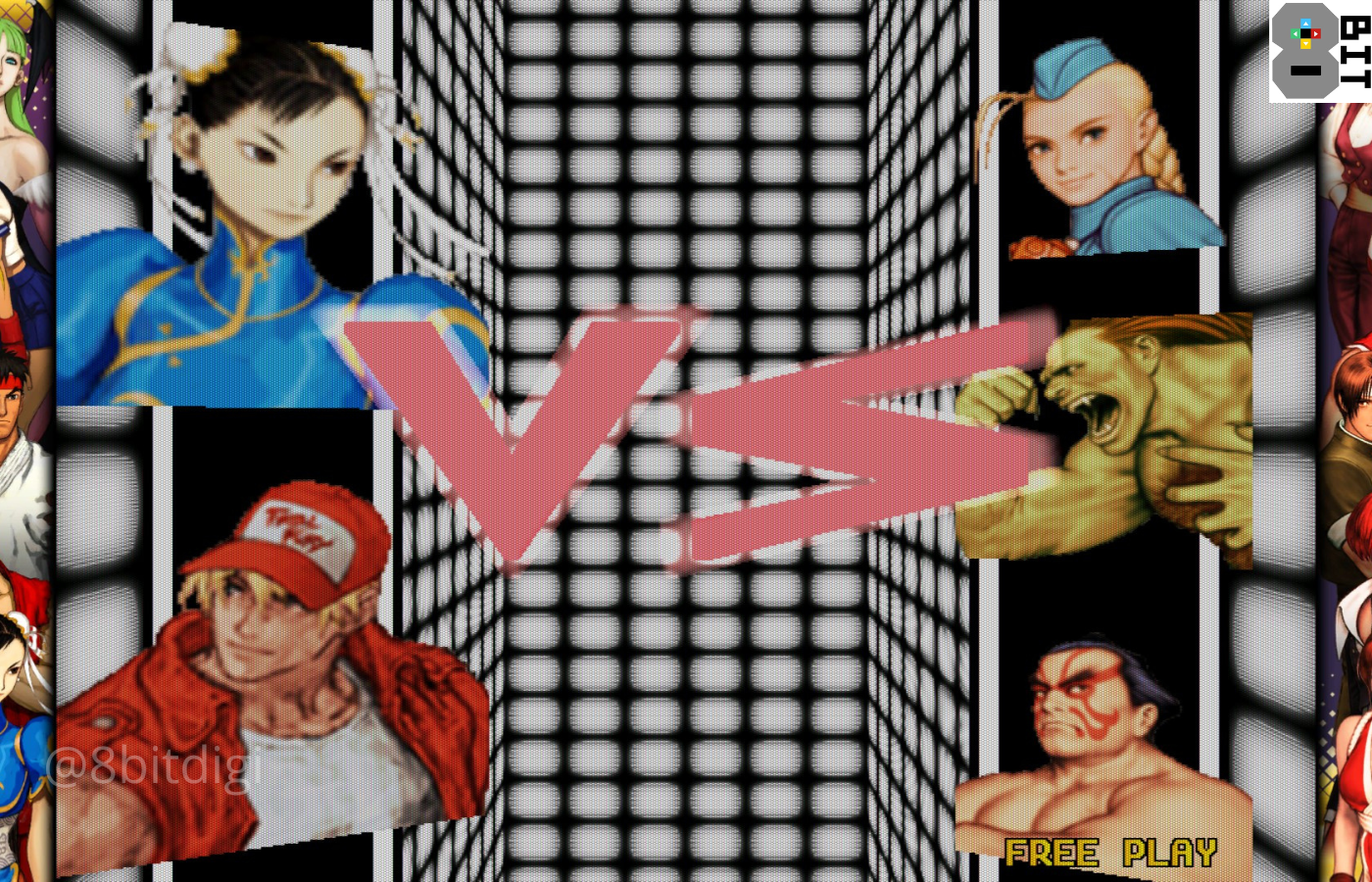
Capcom Fighting Collection 2 is a compilation of fighting games developed by Capcom and originally released between 1998 and 2000. The collection features Capcom vs. SNK: Millennium Fight 2000 Pro, Capcom vs. SNK 2: Mark of the Millennium 2001, Capcom Fighting Evolution, Street Fighter Alpha 3 UPPER, Power Stone, Power Stone 2, Project Justice, and Plasma Sword: Nightmare of Bilstein. Fans should be aware that the collection features only the original arcade versions, so any content exclusive to console ports is excluded.
The collection goes beyond the games themselves by including a museum feature. This section showcases artwork and soundtracks from each title. This will give fans not just an inside look but it will allow them to develop a deeper appreciation for the creative elements behind these classic fighting games. As mentioned earlier, this is more than just a game compilation—it’s a time capsule from another era.

The titles in this collection are classic fighting games that let players pit their favorite characters against each other. Right away, the Capcom vs. SNK games will likely stand out as the most popular among gamers. With the successful launch of Fatal Fury: City of the Wolves back in April, there’s renewed interest in revisiting the classic entries from this once-dormant series. Both titles boast impressive rosters of iconic Capcom and SNK characters. Capcom Fighting Evolution and Street Fighter Alpha 3 UPPER are also sure to capture the attention of devoted fighting game fans.
Players shouldn’t limit themselves to the more iconic titles in the collection. The Power Stone games, along with Project Justice and Plasma Sword: Nightmare of Bilstein, are also a blast to play. These titles may not have achieved the same success as the others mentioned, but they’re enjoyable in their own right and offer players a unique opportunity to experience Capcom’s more experimental fighting games.
Regardless of which game you choose to play, all titles in the collection support online and local co-op. Playing in co-op is especially appealing, as it lets you relive the good old days with friends. But instead of meeting at an arcade, you can now enjoy the experience from home. Just plug in a second controller and dive into the action with a friend. Even on PC, a decent laptop is all you need to play anywhere.

I enjoy playing these games, but my personal experience is limited to Capcom vs. SNK: Millennium Fight 2000 Pro and Street Fighter Alpha 3 on the Dreamcast. So unlike my review of the Marvel vs. Capcom Fighting Collection, I don’t have a strong frame of reference for how much these titles have been enhanced from their original arcade versions. Instead, I’m approaching most of the entries as if I’m playing them for the first time. Overall, my impression is that this collection caters to both longtime fans and newcomers, making it a welcoming entry point for all kinds of players.
As a collection, it does everything possible to enhance the experience while preserving its classic charm. The controls feel polished and responsive—even when compared to well-maintained arcade cabinets. The graphics are sharp, yet they retain the distinctive aesthetic of the era. Additionally, the audio quality is crisp, capturing the nostalgic sound of the original arcade games without compromise.
Best of all, each game can be customized to fit the player’s preferences. You can adjust settings such as the timer speed, the number of continues, and the game’s difficulty. Additionally, players have the option to choose between the original Japanese version or the North American version of each game.

My only complaint about the collection is its limited save options—each game only offers a single save slot. While this isn’t a major issue, especially for a fighting game, it would’ve been nice to have multiple save slots available. It’s a small detail, but one that could add a bit more flexibility for players.

Capcom Fighting Collection 2 is more than a collection of fighting games but a window into a transitional era for the genre. For those who grew up playing these titles, it’s a chance to relive shared memories with friends. For a new generation of fighting game fans, it’s an opportunity to experience the classics on modern consoles or PC. Overall, players will not only enjoy each entry but also gain an appreciation for what these games accomplished—or ambitiously tried to achieve.
Disclaimer: The publisher through a PR representative provided the game used for this review.
This review is the critique and thoughts of one writer. If you want to see how other critics felt then check it out on OpenCritic.
8Bit/Digi is an independent media outlet that provides insight into the gamer community of the San Francisco Bay Area.

Stan Rezaee is the founder and editor of 8Bit/Digi, a Bay Area video game and anime news outlet. A journalist, gamer, and cosplayer covering the industry since 2016, he writes about retro games, new releases, fan conventions, and cosplay culture across the San Francisco Bay Area.


